Evidence based articles and expert guidance to help you better understand osteoporosis.
Osteoporosis is a condition that weakens the bones and makes them more likely to fracture. It usually develops gradually and may not cause noticeable symptoms until a bone breaks, which is why understanding your individual risk and seeking timely assessment can be important.
This osteoporosis knowledge hub brings together clear, patient-focused information about bone density, risk factors, symptoms, prevention and treatment. The articles are designed to help you understand the condition and the different steps that may support your long-term bone health.
If you are concerned about your bone strength, you can learn how a bone density scan is used to assess bone health. You can also explore practical ways to reduce your risk of osteoporosis and read about common treatments for osteoporosis.
Whether you have recently been diagnosed, have experienced a fracture or want to understand your risk, these articles provide accessible information to help you have informed conversations about your care.
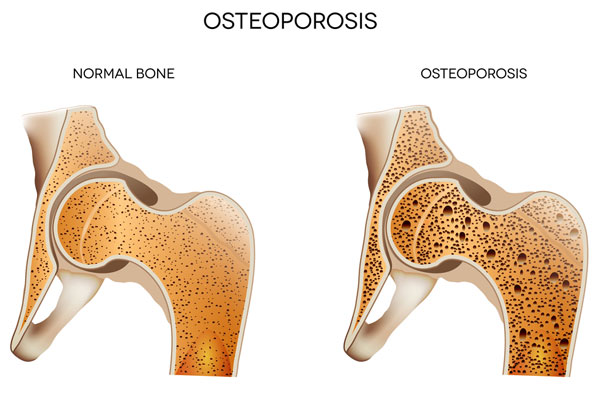
Osteoporosis occurs when bones lose strength and become more fragile. Healthy bone is continually renewed, but osteoporosis develops when the loss of existing bone happens more quickly than the formation of new bone.
The condition can affect anyone, although it becomes more common with age and is particularly common after menopause. Other factors—including family history, certain health conditions, low body weight, smoking, excessive alcohol consumption and the long-term use of some medicines—may also increase the risk.
Osteoporosis itself is often described as a silent condition because bone loss does not usually cause pain. Possible signs or consequences can include:
Having one or more risk factors does not necessarily mean that you have osteoporosis. A clinical assessment can help determine whether further investigation, such as a DEXA bone density scan, is appropriate.
The articles below answer many of the questions patients ask about osteoporosis, bone density and fracture prevention. Topics include:
Consider seeking medical advice if you have experienced a fracture after a minor fall, have been told that your bone density is low or have risk factors that may affect your bone strength. Assessment may also be appropriate if you take long-term corticosteroid medication, have a condition associated with bone loss or are concerned about a family history of osteoporosis.
Consultant Rheumatologist Dr Naveen Bhadauria provides specialist osteoporosis assessment and treatment. Your consultation may include a review of your medical history, medicines and fracture risk, followed by appropriate investigations and an individual plan to protect your bone health.
Pure Rheumatology London offers consultations at established clinic locations across London.
The articles within this knowledge hub are provided for general information only. They are not a substitute for individual medical advice, diagnosis or treatment from a qualified healthcare professional.